
When people ask what Wordle start with, they usually want the best first guess for solving the daily five-letter word in as few tries as possible. A strong opening word does not guarantee a win, but it can reveal useful information about common letters, vowels, and word patterns right away. The best choice depends on whether you prefer a consistent strategy, a quick challenge, or a more relaxed game. In this guide, you will learn what makes a good Wordle starting word, which letters matter most, how to use the colored tiles, and how to avoid common guessing mistakes. You will also find practical examples, expert tips, and clear answers to common questions. The goal is simple: begin each puzzle with a smart guess, use every result carefully, and make your next word more informed than the last.
What Wordle Starts With Each Day
Wordle begins with a blank grid and one hidden five-letter word. Your first guess sets the direction for the whole game, so it should gather useful clues rather than simply sound familiar.
1. A Blank Five-Letter Grid
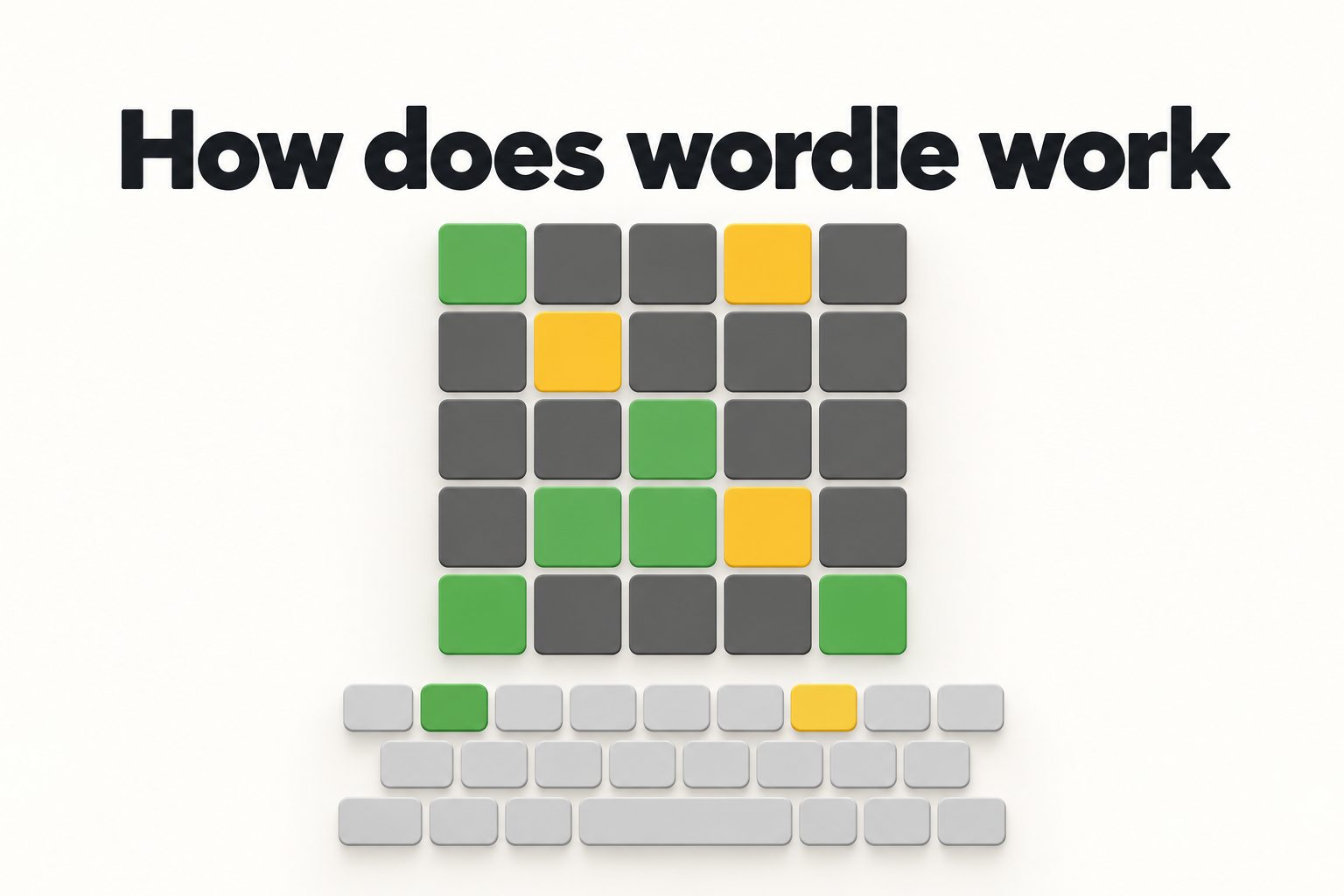
Every daily Wordle puzzle starts with six empty rows of five squares. You enter any valid five-letter word as your first guess. The game then gives feedback through colors, helping you determine which letters belong in the answer and where they may fit.
2. One Hidden Answer Word
The puzzle has one target word, usually a common five-letter English word. It may be a noun, verb, adjective, or another familiar term. You are not trying to guess a category; you are narrowing down the exact spelling through logical clues.
3. A First Guess With No Clues
Your opening guess is different from every later guess because it is made without feedback. This is why players focus so much on what Wordle starts with. A well-chosen first word can test several common letters and reduce uncertainty immediately.
4. Green Tile Feedback
A green tile means the letter is in the answer and is already in the correct position. This is highly valuable information. Keep that letter in place on future guesses unless you are reviewing an unusual repeated-letter situation or have made an input mistake.
5. Yellow Tile Feedback
A yellow tile means the letter appears somewhere in the answer but not in that position. Use the letter again, but move it carefully. Do not assume it can fit anywhere, because other feedback and known word patterns may rule out several possible locations.
6. Gray Tile Feedback
A gray tile usually means the letter does not appear in the answer. Avoid using it again unless repeated letters make the result more complicated. Removing gray letters quickly is one reason strong starting words are so helpful for efficient Wordle solving.
Why Your Wordle Starting Word Matters
Your first word is not only a guess. It is an information-gathering tool that affects how easily you can make the next five guesses.
1. It Tests Common Letters Early
English words use some letters far more often than others. Starting with common letters such as E, A, R, S, T, N, L, and O gives you a better chance of finding a useful clue. This approach makes the first turn productive even when no letters turn green.
2. It Reveals Important Vowels
Vowels shape nearly every five-letter word, so testing several early can narrow the search dramatically. A word with two or three different vowels helps you learn whether the answer is likely open and vowel-heavy or built around a more compact consonant pattern.
3. It Reduces Random Guessing
Without a plan, players often choose words based on mood, recent conversations, or favorite vocabulary. That can be fun, but it provides inconsistent results. A deliberate opener creates a repeatable process and leaves fewer possible answers after the first round.
4. It Helps With Harder Boards
Some Wordle answers contain uncommon letter combinations, repeated letters, or misleading patterns. A broad first guess will not solve every difficult puzzle, but it gives a better foundation for handling them. You begin with evidence instead of relying only on intuition.
5. It Builds Better Habits
Using the same logical opening method each day teaches you to read the board carefully. Over time, you become better at separating confirmed facts from assumptions. That skill matters more than memorizing one supposedly perfect starting word.
6. It Can Improve Average Results
Wordle success is not only about keeping a winning streak. Many players also want to solve more puzzles in three or four guesses. Testing useful letters early can improve that average because later guesses focus on likely answers rather than unexplored possibilities.
Best Letters For A Wordle Start
The strongest starting words usually combine frequent letters with several distinct vowels. They should provide broad coverage without repeating letters too soon.
- Common Vowels: E, A, O, I, and U are worth testing early because they quickly reveal the sound and structure of many possible answers.
- Frequent Consonants: R, S, T, N, L, and C appear often in everyday five-letter words and can create useful patterns.
- Unique Letters: A first guess with five different letters gives more information than one that repeats a letter without a clear reason.
- Balanced Letter Mix: Combine vowels and consonants so the result tests both the word’s sound pattern and its likely spelling structure.
- Flexible Placement: Choose letters that work in many positions, rather than a word built around an overly unusual ending or beginning.
- Simple Familiar Words: Familiar words are easier to remember and analyze, which helps you stay calm when solving quickly.
Strong Wordle Starting Word Examples
There is no single opening word that is best for every player. These examples show different useful approaches and explain what each one can reveal.
1. SLATE For Balanced Coverage
SLATE is a popular Wordle starting word because it includes two common vowels and three frequent consonants. It checks useful positions for S, L, T, and E while avoiding repeated letters. Its balance makes it a practical choice for players who want one dependable opener.
2. CRANE For Common Letter Testing
CRANE uses highly common letters and includes A and E, two valuable vowels. It also checks R and N, which appear in many common answers. This word is especially helpful when you prefer an opening guess that feels natural while still covering strong statistical choices.
3. STARE For Frequent Patterns
STARE tests five letters that appear regularly in English words. It is useful for finding common endings, vowel placement, and frequent consonant combinations. If it produces several yellow tiles, you may quickly identify the general shape of the hidden word.
4. TRACE For Positional Variety
TRACE contains many of the same useful letters as other strong openers, but it places them differently. That matters because a green tile can provide an immediate structural clue. Players who like testing T or R near the beginning may find this option comfortable.
5. AUDIO For Vowel Discovery
AUDIO focuses heavily on vowels, testing A, U, I, and O at once. It can be useful when you want to identify the word’s vowel set quickly. However, it leaves out E and tests fewer common consonants, so it is a specialized rather than balanced opener.
6. RAISE For Flexible Follow-Ups
RAISE combines three common vowels with R and S, giving you several useful possibilities for the next guess. It is especially good for players who enjoy adapting quickly after the first response. The word does not test T or N, but its coverage remains broad.
How To Choose A Wordle Start
A repeatable process makes choosing an opening word easier. Use these steps to select a word that fits your style and gives useful clues.
- Choose Five Different Letters: Start with a word that does not repeat letters, because unique letters provide more information on the first guess.
- Include At Least Two Vowels: A balanced opening often includes A and E, or another useful vowel combination that helps identify the answer pattern.
- Add Common Consonants: Use letters such as R, S, T, N, or L to test sounds and endings found in many everyday words.
- Avoid Rare Letters First: Letters like J, Q, X, and Z can wait until the board gives evidence that they may be needed.
- Pick A Memorable Opener: Use a word you can recall easily, especially if you want a consistent daily starting strategy.
- Read Every Tile Carefully: Separate green, yellow, and gray clues before deciding what the next word should test.
- Change Your Plan When Needed: A strong opener is useful only if you respond logically to its results rather than forcing the same pattern every game.
Using Wordle Feedback After The Start
What Wordle starts with matters, but your second and third guesses often decide the puzzle. The key is turning each color result into a clear next action.
1. Lock In Green Letters
When a tile turns green, treat that position as confirmed. Build possible words around it instead of moving it casually. A fixed letter can eliminate many options, especially when it appears at the beginning or end of a five-letter word.
2. Reposition Yellow Letters
A yellow letter must remain in your thinking, but it cannot stay where you guessed it. Try placing it in a new position that matches likely word patterns. Check whether another yellow letter makes the same position impossible before committing to a guess.
3. Remove Gray Letters From Options
Gray feedback is valuable because it closes doors. Cross those letters out mentally or use the keyboard display to track them. Reusing proven gray letters wastes a turn unless the game’s response indicates that a repeated-letter rule needs closer examination.
4. Test New Letters Intentionally
If the first guess gives few clues, use the next word to test several fresh common letters. Do not simply rearrange an unsuccessful word. A scouting guess can feel less exciting, but it often produces the evidence needed to solve the answer efficiently.
5. Watch For Repeated Letters
Do not assume every answer contains five different letters. Once you have a promising pattern but too few candidates, consider doubles such as LL, EE, OO, or other repeated letters. The color feedback may look confusing until you account for letter frequency.
6. Think In Word Families
When several answers share the same ending, look beyond the obvious first candidate. For example, a pattern may support multiple words that differ by one opening letter. Use a guess that separates those choices instead of risking a random sequence of similar attempts.
Common Wordle Start Mistakes To Avoid
Even a familiar starter can become less useful when players ignore the purpose of the first few guesses. Avoiding these habits improves both speed and consistency.
1. Repeating Letters On The First Guess
Opening with a repeated letter usually gives less coverage than using five distinct letters. Unless you have a personal challenge or a special reason, you are better off testing more possibilities. Save repeated-letter guesses for later, when board evidence suggests they may matter.
2. Choosing Only Rare Letters
A word full of unusual letters may occasionally produce a surprising green tile, but it is not a reliable opening strategy. Rare letters are less likely to reveal useful information. Start with common letters first, then introduce unusual ones only when the clues support them.
3. Ignoring Yellow Tile Positions
A yellow letter is not merely a positive clue; it is also a position restriction. Players sometimes keep putting it in the same spot because it feels plausible. Review the exact square that turned yellow and deliberately test the letter somewhere else.
4. Reusing Gray Letters Without Reason
Once a letter is gray, it should usually leave your candidate list. Repeating several gray letters in the next guess reduces your chance of learning something new. Choose a word that preserves confirmed clues while introducing letters that have not been tested.
5. Guessing The First Familiar Word
After seeing a partial pattern, it is easy to jump to the first recognizable answer. That can fail when several words fit the same letters. Pause and list the alternatives in your mind, then choose a guess that distinguishes them with the fewest wasted turns.
6. Treating Every Game The Same
A fixed starting word is helpful, but a fixed response is not. Some boards require a broad second guess, while others reward immediate pattern building. Let the tile feedback guide your choices rather than forcing a favorite method onto every puzzle.
Best Practices For Wordle Starting Words
The best Wordle strategy combines a strong opener with flexible reasoning. These habits keep the game enjoyable while helping you make better choices under the six-guess limit.
1. Use A Consistent Base Strategy
Choose one or two opening words that fit your preferred style, then learn how they perform. Consistency makes it easier to compare results and recognize patterns. You do not need a mathematically perfect word; you need a method you can apply carefully every day.
2. Prioritize Information Over Luck
Early guesses should answer questions: Which vowels are present? Which common consonants can be removed? Where might a green letter belong? Thinking this way prevents emotional guessing and turns Wordle into a manageable logic puzzle rather than a series of hopeful attempts.
3. Keep A Mental Letter Inventory
Track confirmed letters, excluded letters, and letters that must move. This prevents accidental contradictions, such as placing a yellow letter back in its rejected position. A simple mental inventory is often enough, although some players prefer writing notes outside the game.
4. Use A Probe Word When Stuck
If you have only one or two clues after your opener, use a second word with fresh common letters. This probe may not look like an answer, but it can be strategically excellent. It narrows the field before you begin making more targeted guesses.
5. Protect Your Final Guesses
When the board shows a common pattern with many possible answers, avoid blindly guessing one candidate after another. Use a word that tests the competing letters together if possible. This approach protects you from running out of turns in a word-family trap.
6. Review Losses Without Frustration
A missed puzzle can teach you more than an easy win. Look at where your reasoning changed from evidence to assumption. Maybe you ignored a duplicate letter or failed to test alternatives. A calm review helps improve tomorrow’s Wordle start and follow-up choices.
When To Change Your Wordle Start
A dependable opener is useful, but changing it occasionally can make the game more interesting and may suit different goals.
When You Want More Variety: Rotating between a few strong starting words keeps the daily routine fresh while still testing common letters and vowels.
When A Strategy Feels Stale: If your usual opener makes you repeat the same mistakes, try a word with different vowel placement or consonant coverage.
When Practicing Vowels: Use a vowel-rich opener when you want to improve at recognizing word structure and vowel combinations quickly.
When Practicing Consonants: Select a balanced word with common consonants when your goal is identifying beginnings, endings, and common letter clusters.
When Playing Casually: A meaningful personal word can be fun if your goal is enjoyment rather than the lowest possible average guess count.
When Playing In Hard Mode: Choose an opener you can adapt from easily, because confirmed clues must be used on later guesses and flexibility becomes more important.
When Learning From Results: Test a new opener for several games before judging it. One lucky or unlucky puzzle does not show whether a strategy is truly useful.
Frequently Asked Questions
1. What Is The Best Word To Start Wordle With
There is no universally perfect opening word, but options such as SLATE, CRANE, STARE, TRACE, and RAISE are popular because they test common letters without repeats. The best choice is one that includes useful vowels and consonants and gives you a strategy you can follow consistently.
2. Should Wordle Start With Two Vowels
Starting with two vowels is often a strong choice because it quickly reveals important structure. Some players prefer three vowels for broader coverage, while others use two vowels and three common consonants. Both approaches work when the letters are distinct and the follow-up guess responds to the clues.
3. Is AUDIO A Good Wordle Starting Word
AUDIO is useful if you want to test many vowels quickly, since it includes four different vowels. However, it contains only one consonant and does not test E. It is a valid strategic choice, but balanced words often provide more complete information on the first turn.
4. Should I Use The Same Wordle Start Every Day
Using the same starting word every day can be helpful because it creates a consistent system and makes your results easier to compare. You can also rotate among several strong openers. The important part is using the feedback logically instead of relying on the starting word alone.
5. Why Did A Letter Turn Gray When It Appears Twice
Repeated letters can make Wordle feedback seem confusing. A word may contain one copy of a letter, while your guess contains two. In that case, one tile may receive a positive color and the other may turn gray. Always consider how many times the answer likely uses that letter.
6. What Should I Guess After A Bad First Word
After a first guess with little feedback, choose a second word that tests several new common letters and at least one useful vowel if needed. Avoid recycling gray letters. Think of the second guess as a scouting move that gathers enough information for more precise guesses afterward.
Conclusion
Knowing what Wordle start with is less about finding one magic word and more about beginning with useful information. Strong opening guesses use common letters, include helpful vowels, avoid unnecessary repeats, and prepare you to read the colored feedback carefully.
Choose a starting word that fits your style, then let each green, yellow, and gray tile shape the next move. With a calm process, flexible follow-up guesses, and attention to repeated letters, you can solve more puzzles with confidence and enjoy the daily challenge more fully.